
7 Best Fractional CO2 Laser Machines for Global Buyers

Choosing the right Fractional CO2 Laser machine requires more than comparing prices and power ratings. Global buyers must examine clinical performance, operating safety, service support, and long-term value. A reliable machine should deliver consistent energy across treatment areas, from fine facial lines to uneven skin texture and selected scar concerns. However, specifications can look impressive while practical performance remains uncertain.

This guide reviews seven leading machines for international buyers. It considers laser wavelength, pulse control, scanning systems, handpiece design, cooling options, and user training. These details matter when treating delicate areas, where uneven energy may increase discomfort or recovery time. Certification and local compliance also deserve careful attention. Requirements differ between countries, and a device approved in one market may need additional review elsewhere.

Real-world ownership includes more than the first purchase. Replacement parts, software support, technical response times, and maintenance training can influence daily clinic operations. Ask difficult questions. Can the supplier provide verified test results? Are service engineers available in your region? Does the warranty clearly cover essential components?

No ranking can suit every clinic. A busy dermatology practice may prioritize speed, while a smaller aesthetic center may value simple controls and lower maintenance demands. Some machines appear excellent on paper but reveal limitations after months of use. That possibility should remain part of the evaluation. The following comparison offers a practical starting point, combining technical evidence, buyer experience, and professional judgment for safer, more informed purchasing decisions.
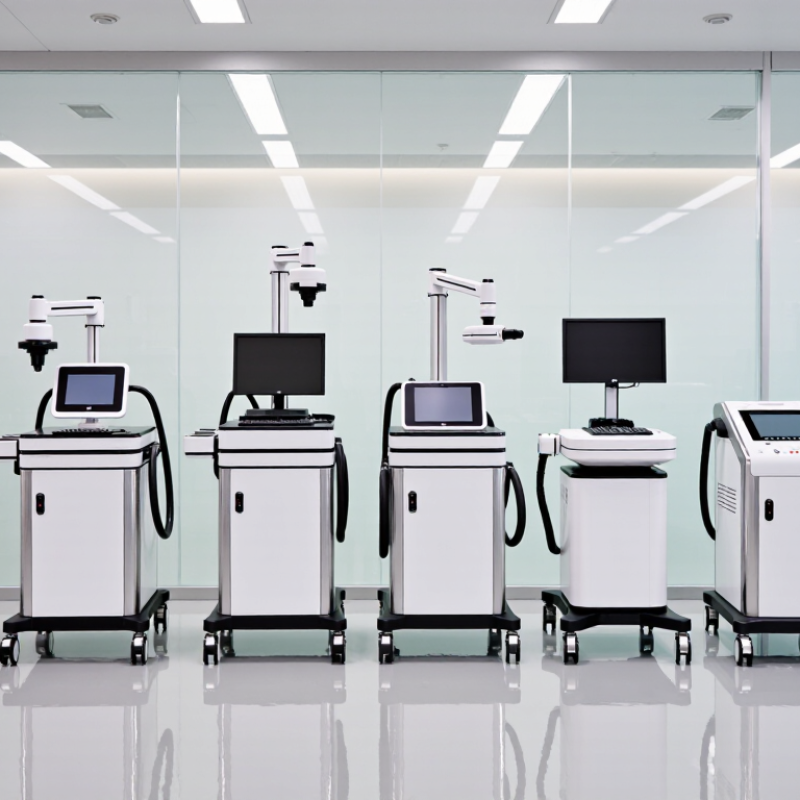
7 Best Fractional CO2 Laser Machines for Global Buyers

What Fractional CO2 Laser Machines Are and How They Work

Fractional CO2 laser machines use carbon dioxide laser energy to resurface the skin. Their wavelength, commonly around 10,600 nanometers, is strongly absorbed by water. Since skin contains substantial water, the beam creates controlled thermal columns within the treatment area.

The word “fractional” matters. The handpiece does not remove the entire surface. Instead, it delivers microscopic treatment zones surrounded by untreated skin. These intact areas support faster healing. The treated columns encourage collagen remodeling, which may soften acne scars, fine lines, uneven texture, and selected pigmentation concerns.

Results depend on more than machine power. Spot density, pulse duration, scanning pattern, cooling, and operator technique all influence safety and recovery. A strong setting is not automatically a better setting. Skin type, scar depth, medical history, and seasonal sun exposure require careful assessment.

Expect redness, swelling, peeling, and temporary sensitivity after treatment. Downtime varies. Some patients heal quickly, while others need longer observation. That variation is easy to underestimate.

Protective eyewear, sterile handling, documented training, and clear aftercare instructions are essential. Buyers should also verify electrical certification, service support, replacement parts, and local medical-device requirements.

Fractional CO2 treatment is not a simple beauty shortcut. It is a controlled injury that needs responsible planning. Even experienced operators may adjust settings during treatment because skin response is not perfectly predictable.

Key Criteria for Comparing the Seven Best Fractional CO2 Laser Machines

When comparing the seven best fractional CO2 laser machines, buyers should examine clinical control before headline power. A 30–40 W rating does not automatically mean better resurfacing. Pulse duration, spot size, energy range, scanning density, and cooling design affect treatment precision. A 2023 review in Dermatologic Surgery reported that fractional CO2 systems can improve acne scars and photoaging, but downtime and adverse reactions vary with settings and skin type. That variation matters.

Safety documentation deserves equal attention. Look for electrical certification, medical-device registration in the target market, handpiece traceability, and clear maintenance intervals. ISO 13485 certification supports quality management, but it does not prove superior clinical outcomes. The 2023 ISAPS Global Survey recorded more than 19 million surgical and nonsurgical aesthetic procedures worldwide, showing strong demand but also intense equipment competition. Buyers should request clinical references, service-response data, and consumable costs. A low purchase price can become expensive after repeated repairs. This is easy to overlook.

Tips: Compare delivered energy, not only displayed energy. Ask for independent test records. Check whether the interface stores operator settings and treatment history. Review cooling performance after several consecutive treatments. A machine that performs well for ten minutes may behave differently during a busy clinic day. Also question impressive marketing claims. No comparison is perfect. Skin-tone suitability, operator training, local regulation, and patient selection still influence outcomes more than specifications alone. When data is missing, mark it as unknown rather than assuming the best result.

Seven Leading Fractional CO2 Laser Machines for Global Buyers

Seven Leading Fractional CO2 Laser Machines for Global Buyers

The seven leading fractional CO2 laser machines differ by clinical purpose, not appearance. A compact 10,600 nm system suits small practices and facial resurfacing. A higher-power platform supports faster scanning across larger areas. Other strong options include machines with adjustable pulse duration, robotic scanning, cooling, smoke evacuation, and separate handpieces. These features affect comfort, downtime, and treatment consistency.

The ISAPS Global Survey 2023 recorded 19,152,556 non-surgical aesthetic procedures worldwide, a 3.4% increase from 2022. This growth supports demand for reliable resurfacing equipment. However, a high wattage number can mislead buyers. Beam control, spot density, repeatability, and service access often matter more. In real clinics, uneven calibration may create visible patching, even when the machine looks advanced. That detail deserves more attention.

Tips: Ask for measured energy output, training records, warranty terms, and local technical support. Request test patterns on synthetic skin before purchase. Confirm electrical compatibility, ventilation needs, and consumable availability for your country. Clinical evidence should guide settings, not sales demonstrations. A machine that performs beautifully on one skin type may require more cautious protocols on another. Independent user feedback is useful, but it is not perfect evidence. Verify every claim against technical documents and recognized safety requirements.

Treatment Features, Safety Standards, and Regulatory Considerations

Fractional CO2 Laser Machines: Treatment Features, Safety Standards, and Regulatory Considerations

Fractional CO2 systems commonly use a 10,600 nm wavelength to create controlled thermal columns in the skin. Treatment quality depends on pulse duration, spot density, scanning accuracy, and adjustable energy. A 2023 ISAPS Global Survey reported more than 19 million nonsurgical aesthetic procedures worldwide. That growth increases demand for machines with measurable controls, not attractive specifications alone. Practitioners should examine cooling systems, plume evacuation, emergency stops, and visible aiming beams. Small design details matter.

Safety compliance requires deeper checking. IEC 60601-1 addresses basic medical electrical safety, while IEC 60601-2-22 covers laser equipment used in medical treatment. IEC 60825-1 supports laser classification and protective requirements. In the United States, applicable laser products must meet FDA performance rules under 21 CFR 1040.10. Other markets may require local registration, conformity assessment, electrical testing, and an authorized service pathway. Documentation should include calibration records, user training, maintenance intervals, and single-use accessory controls. Ask for evidence.

Regulatory approval does not guarantee clinical suitability. It is an easy mistake. Providers still need verified indications, realistic patient selection, smoke control, eye protection, and written complication protocols. ISO 14971 risk management and ISO 13485 quality systems can strengthen supplier evaluation, but paperwork alone cannot replace hands-on assessment. Buyers should request clinical data, service response times, and transparent warranty terms. Some purchasing decisions remain imperfect because long-term comparative data between systems is limited. That limitation deserves honest discussion.

How to Choose the Right Fractional CO2 Laser Machine for Your Market

Choosing a fractional CO2 laser requires more than comparing wattage and price. Market fit matters more. A 10,600 nm CO2 system should offer adjustable pulse duration, reliable fractional scanning, and controlled thermal damage. Grand View Research estimates the global aesthetic lasers market will continue expanding through 2030, driven by demand for minimally invasive treatments. That growth does not guarantee sales in every region.

Study local treatment habits first. Clinics serving acne-scar patients may value precise microbeam density and smaller spot sizes. High-volume practices may prioritize faster scanning, strong cooling, and simple handpiece changes. MarketsandMarkets estimates the medical laser market could rise from about USD 6.6 billion in 2024 to USD 11.8 billion by 2029. These figures show opportunity, but they do not replace local research.

Check electrical compatibility, language options, training quality, and service response times. Ask for clinical evidence, safety documentation, and maintenance records. Confirm that the device follows applicable medical-device requirements in the target market. Consumable costs also matter; an inexpensive machine can become costly after repeated repairs. I would not choose the highest power automatically. More power can increase downtime, discomfort, and operator risk without improving every treatment. That assumption deserves testing. Request a supervised demonstration using realistic skin types, treatment areas, and recovery expectations.

Go to Top