
What Are Auto Tyres and How Do They Work?

Auto Tyres are more than black rubber rings fitted around wheels. They are engineered safety components, designed to carry weight, create grip, absorb impacts, and guide a vehicle accurately. Stuart Lovatt, a recognised tyre-safety expert from TyreSafe, puts it plainly: “Tyres are the only part of a vehicle touching the road.” That small contact area controls braking, steering, acceleration, and stability.

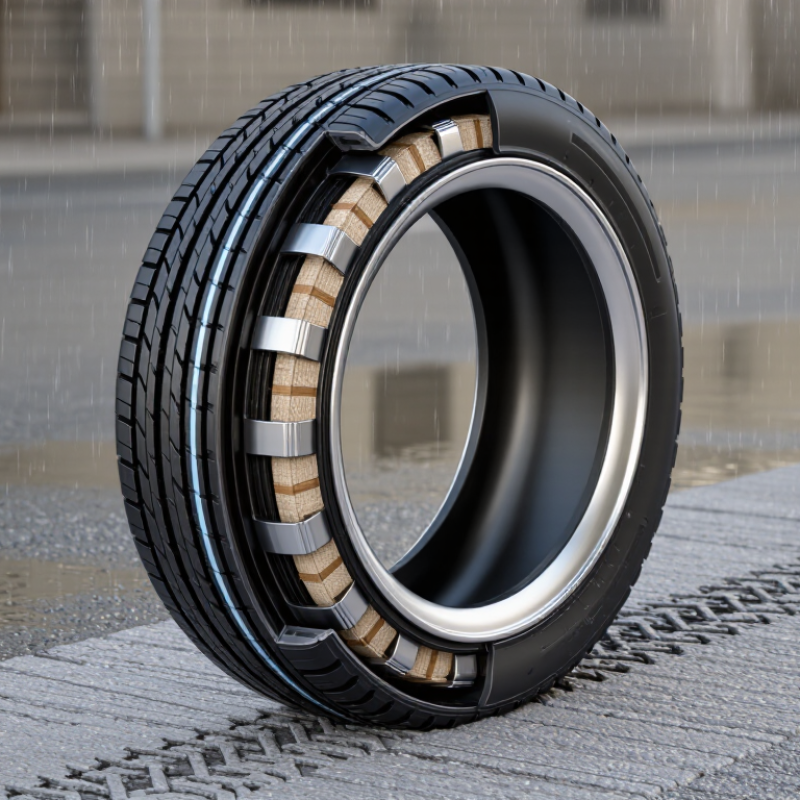
Inside each tyre, several layers work together. Steel belts strengthen the tread, while textile cords support the casing. The tread pattern channels rainwater away from the road surface. Sidewalls flex when the vehicle turns or crosses a rough patch. Air pressure supports the vehicle and helps control heat, comfort, and fuel use. Too little pressure can increase rolling resistance and overheating. Too much may reduce contact and make the ride harsh.

The explanation is simple, but real tyre behaviour is not. Weather, load, driving style, alignment, and road texture can change performance quickly. A tyre that looks healthy may still have hidden damage. I have seen drivers check tread depth but ignore pressure and sidewall cracks. That is an easy mistake.

This guide, “What Are Auto Tyres and How Do They Work?”, examines their construction and practical operation. It also explains how to read markings, recognise wear, and choose suitable replacements. Reliable advice should begin with the vehicle handbook, manufacturer specifications, and regular professional inspections. Small details matter. A few minutes of checking can influence every journey.
What Are Auto Tyres and How Do They Work?

What Auto Tyres Are and What They Are Made Of

What Are Auto Tyres and How Do They Work?

What Auto Tyres Are and What They Are Made Of

Auto tyres are engineered pressure vessels, not simple rubber rings. They connect the vehicle to the road through a small contact patch. That patch manages braking, steering, acceleration, and ride comfort. A tyre’s tread pushes water away, while its sidewall flexes over uneven surfaces. Air pressure supports most of the vehicle’s load.

Their construction is layered. The U.S. Tire Manufacturers Association reports that typical passenger tyres contain roughly 50% rubber compounds, including natural and synthetic rubber. Reinforcing materials, such as carbon black and silica, improve wear and grip. Steel belts add strength beneath the tread. Textile cords support the carcass and help control shape. Exact percentages vary by tyre type and intended use.

The tread compound affects traction and durability. Softer compounds can grip better in cool weather, but they may wear faster. Deeper grooves usually improve water evacuation, although they cannot overcome severe underinflation. The National Highway Traffic Safety Administration identifies tyre underinflation as a significant safety concern and recommends regular pressure checks. Pressure should be measured when tyres are cold. Small losses matter.

I have seen tyres look healthy while hiding uneven inner wear. That is why visual inspection alone is imperfect. Load markings, speed ratings, age, pressure, and alignment all influence performance. A tyre is a system. Its materials work together, but maintenance still decides much of its real-world behavior.

How Tyres Support a Vehicle and Transfer Forces

What Are Auto Tyres and How Do They Work?

Auto tyres support the vehicle while transferring forces between the wheels and the road. They carry the car’s weight through a small contact patch. That patch may be only a few hand-sized areas. Air pressure helps maintain the tyre’s shape and spreads the load across the tread.

When the vehicle accelerates, tread rubber grips the road and pushes backward. The road then pushes the vehicle forward. Braking reverses this force. During cornering, the sidewalls flex while the tread resists sideways movement. This creates the lateral force needed to follow a curve. Tyres also absorb small bumps, reducing shocks through the suspension and cabin.

A tyre’s performance depends on pressure, tread depth, temperature, and wheel alignment. Underinflation can increase heat and rolling resistance. Overinflation may reduce the tread’s useful contact area. Neither condition is harmless. Wet roads make the task harder because water must escape through grooves before it forms a slippery layer. Tread wear is not always even, so checking several points matters. In a routine inspection, a tyre can look acceptable from a distance but show serious shoulder wear nearby. That detail is easy to miss. The honest part is that tyre behaviour changes with load, weather, and driving style, so a single visual check cannot reveal everything. Regular pressure checks and professional inspections provide clearer evidence.

What Are Auto Tyres and How Do They Work?

How Tyres Support a Vehicle and Transfer Forces

A pneumatic tyre supports a vehicle through the air pressure inside it and transfers vertical, braking, and driving forces through the contact patch with the road. The chart shows the calculated static load carried by each tyre and the corresponding longitudinal force at a friction coefficient of μ = 0.8.

Calculations assume four tyres, an evenly distributed load, a level road, and gravity of 9.81 m/s². Static load per tyre = vehicle mass × 9.81 ÷ 4. Available longitudinal force is approximately friction coefficient × normal load. Acceleration, braking, cornering, tyre pressure, road surface, and suspension movement can change the actual force distribution.

How Tread Patterns and Rubber Compounds Affect Performance

Auto tyres are the only parts connecting a vehicle with the road. Their tread patterns guide water away, create grip, and influence steering feel. Deep grooves help disperse rain, while smaller sipes open slightly on cold or slippery surfaces. A blockier pattern can improve loose-surface traction. It may also produce more road noise.

Rubber compounds matter just as much. Softer rubber usually grips better in cool conditions, especially during braking and cornering. However, it can wear faster and feel less precise in hot weather. Harder compounds often last longer, but they may offer less immediate grip. The balance depends on temperature, speed, load, and road texture. No tread design performs perfectly everywhere. That trade-off is easy to overlook. In practical inspections, uneven wear often reveals poor inflation, worn suspension parts, or incorrect alignment. A tyre can have legal tread depth and still feel unsafe in heavy rain.

Tips: Check tread depth and pressure when the tyres are cold. Look for cracks, bulges, and uneven shoulders. Match the tyre type to your usual roads, not occasional trips. A quiet ride is not always the safest choice. Review the vehicle handbook before changing sizes, because a small mismatch can affect handling and braking. Mechanic advice helps, but your daily driving conditions should guide the final decision.

How Air Pressure and Tyre Structure Enable Safe Driving

Auto tyres are engineered air cushions, not simple rubber rings. Their air pressure carries much of the vehicle’s load. The casing, belts, sidewalls, tread, and bead share the remaining forces. Together, they support braking, steering, and cornering.

Pressure changes the tyre’s contact patch. Too little air makes the sidewalls flex excessively. Heat then builds inside the casing. The U.S. National Highway Traffic Safety Administration reports that tyre-related problems contribute to about 11,000 crashes each year. That figure makes a small pressure loss feel less harmless. Too much air reduces the contact area and may make the ride sharp. Grip can also weaken on uneven roads. Small difference. Real consequences.

A cold-pressure gauge is more trustworthy than appearance. A tyre can look normal while losing several psi. The U.S. Department of Energy states that fuel economy can fall by about 0.2% for every 1 psi below the recommended pressure. Check before driving, when the tyres have rested. The correct figure is usually listed on the vehicle placard, not the tyre sidewall. I once trusted visual inspection alone. That was careless. Pressure is only one part of safety, though. Tread grooves move water away, while belts control the footprint during acceleration and braking. Cuts, bulges, or uneven wear can reveal structural damage. No quick glance catches everything.

What Are Auto Tyres and How Do They Work? - How Air Pressure and Tyre Structure Enable Safe Driving
Tyre Element or Operating Factor Typical Data or Specification How It Works Contribution to Safe Driving
Inflation Pressure Common passenger-car range: approximately 30–35 psi (2.1–2.4 bar) Compressed air supports most of the vehicle load and allows the tyre to flex in a controlled way. Correct pressure helps maintain the intended contact patch, steering response, braking performance, and heat control. The vehicle manufacturer’s recommended pressure should always take priority over a generic range.
Contact Patch Usually about the size of an adult hand per tyre, depending on load and pressure The tread area touching the road transfers braking, acceleration, and cornering forces. A stable contact patch improves grip and helps the vehicle respond predictably during emergency manoeuvres.
Tread Pattern Grooves, ribs, blocks, and sipes vary by tyre design Grooves channel water away from the contact patch, while blocks and sipes create edges that interact with the road surface. Effective water evacuation reduces the risk of water build-up between the tyre and road, helping preserve wet-road traction.
Tread Depth Many new passenger-car tyres have roughly 7–9 mm of tread; the legal minimum varies by country Tread rubber gradually wears away as it contacts the road. Sufficient tread supports water evacuation and grip. Tyres should be replaced before reaching the applicable legal limit or the manufacturer’s wear indicator.
Tread-Wear Indicators Raised bars in the main grooves, commonly set at 1.6 mm above the groove base These bars become level with the surrounding tread when the tyre reaches the widely used minimum legal tread depth. They provide a quick visual warning that the tyre needs replacement, although tyres may require replacement earlier because of damage, age, or poor condition.
Carcass and Ply Structure Typically includes textile reinforcement; some tyres also use steel belts The carcass carries load and maintains the tyre’s shape, while belts reinforce the tread area and control deformation. Structural reinforcement improves stability, steering precision, puncture resistance, and resistance to excessive flexing.
Sidewall Flexible section between the rim and tread; size is identified by the tyre markings The sidewall flexes as the wheel rolls and absorbs part of the impact from road irregularities. Controlled sidewall flex contributes to ride comfort and grip. Bulges, cuts, or exposed cords indicate potentially dangerous structural damage.
Bead Reinforced inner edge seated against the wheel rim The bead anchors the tyre to the rim and helps maintain an airtight seal. A secure bead prevents air leakage and keeps the tyre correctly positioned during braking, cornering, and acceleration.
Valve and Valve Core Inflation valve fitted through the wheel; valve caps help keep out dirt and moisture The valve allows air to enter while the valve core prevents air from escaping under normal conditions. A healthy valve supports stable pressure. Leaks can cause underinflation, heat build-up, uneven wear, and reduced handling control.
Load Capacity Specified by the tyre’s load index and the vehicle manufacturer’s requirements The tyre structure and inflation pressure are designed to support a defined maximum load at a specified speed and pressure. Staying within the rated load reduces overheating, structural stress, and the risk of tyre failure.
Speed Rating Letter code indicating the maximum certified speed under specified test conditions Tyres with higher speed ratings use construction and materials designed to manage greater heat and centrifugal forces. Using tyres that meet the vehicle’s required speed rating helps preserve stability and durability during high-speed operation.
Underinflation Pressure below the vehicle manufacturer’s recommended cold pressure The sidewalls flex more, increasing rolling resistance and heat generation. It can cause slower steering response, longer braking distances, shoulder wear, higher fuel or energy consumption, and an increased risk of failure.
Overinflation Pressure above the recommended cold pressure The tyre becomes stiffer and the contact patch may become less evenly distributed. It can reduce ride comfort, decrease grip on uneven surfaces, increase centre tread wear, and make the vehicle more sensitive to impacts.
Rolling Resistance Energy lost mainly through rubber and carcass deformation as the tyre rolls Part of the energy used to move the vehicle is converted into heat within the tyre. Lower rolling resistance can improve fuel economy or electric range, while correct inflation helps prevent unnecessary energy loss.
Heat Management Heat rises with speed, heavy loads, high ambient temperatures, and insufficient pressure Tyre flexing creates heat, and the tread and sidewall release some of this heat into the surrounding air. Keeping tyres correctly inflated and within their load and speed ratings helps limit heat-related degradation and failure risk.
Safety note: Check tyre pressure when the tyres are cold, inspect tyres regularly for damage and uneven wear, and use the pressure and load information specified by the vehicle manufacturer.

How to Read Tyre Markings and Identify Tyre Wear

Auto tyres are identified through markings molded into their sidewalls. For example, 205/55 R16 91V means a 205-millimetre width, a 55 percent aspect ratio, radial construction, and a 16-inch wheel size. The number 91 shows the load index, while V indicates the approved speed category. A four-digit date code records the production week and year. It matters because rubber ages, even when the tread still looks acceptable.

Tread wear needs more than a quick glance. Look for tread-wear indicators inside the grooves. They become level with the tread near 1.6 millimetres, a common legal limit in many regions. Replace tyres earlier if cracks, bulges, exposed cords, or uneven shoulders appear.

NHTSA estimates that tyre-related problems contribute to about 11,000 crashes annually in the United States. The U.S. Department of Energy also reports that correct inflation can improve fuel economy by up to 3 percent.

I still find pressure checks easy to neglect. That is the human weakness in maintenance.

Tips:

Check them cold.

Use the vehicle placard, not the sidewall maximum.

Measure pressure monthly and before long trips.

Run a tread-depth gauge across several points, not just the centre.

Uneven wear may suggest poor alignment, worn suspension, or incorrect pressure.

Rotate only according to the vehicle maker’s schedule, because tyre patterns and drivetrains differ.

Keep photographs of suspicious damage; they help a technician judge whether the defect is growing.

Go to Top