How to Choose the Best Red Light Device for Your Needs?
Choosing the right Red Light Device can be challenging. With numerous options on the market, understanding your specific needs is vital. Different devices offer various features, wavelengths, and intensities. The right choice can significantly impact your health and wellness journey.
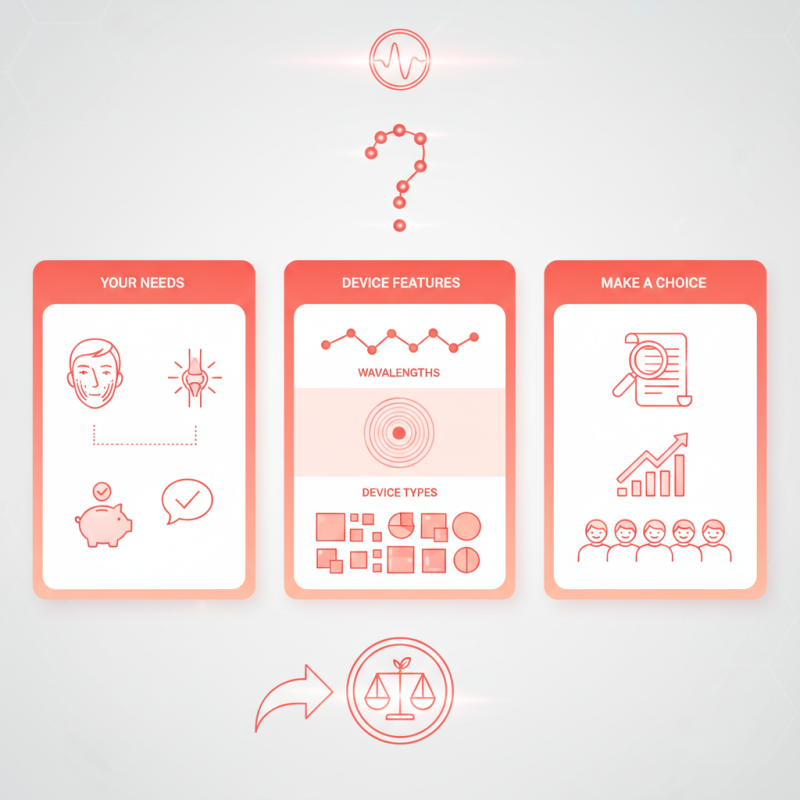
When selecting a Red Light Device, consider factors like your intended use, budget, and personal preferences. For instance, are you focusing on skin rejuvenation or pain relief? Each goal may require a different type of device. Additionally, it's essential to research the credibility of the brands you are considering. Look for evidence of effectiveness and user testimonials.
Not all devices are created equal. Some may promise remarkable results but fall short. Checking for scientific backing is crucial. As with any health-related product, an informed decision is key to achieving desired outcomes. Reflect on what works best for you and be willing to explore various options before making a commitment.
Understanding Red Light Therapy: Benefits and Applications
Red light therapy (RLT) has gained attention for its potential benefits in various health applications. This therapy uses specific wavelengths of light to penetrate the skin. Research suggests that it can aid in healing and reducing inflammation. Many users report improvements in skin conditions, like acne and wrinkles. Additionally, RLT may help reduce muscle soreness after exercise.
Understanding how red light therapy works is crucial. The light energy stimulates cellular functions. This process can enhance the production of collagen, vital for skin elasticity. It also promotes healing at a cellular level. Many people find RLT beneficial for pain relief. However, results may vary individually. Some experience significant improvements, while others notice minimal changes.
Choosing the right device is essential. Users must consider factors like wavelength, intensity, and treatment area. A thorough examination of options ensures a better fit for personal needs. The effectiveness of red light therapy also hinges on consistent use and proper technique. Reflecting on individual experiences can lead to more informed decisions regarding the therapy's application.
Types of Red Light Devices: A Comprehensive Overview
When selecting a red light device, understanding its types can greatly influence your decision. Common types include handheld devices, light panels, and full-body beds. Handheld devices are portable and ideal for targeting specific areas. They often pulse light for treatment. Light panels cover larger skin areas and are effective for many skin concerns. Full-body beds provide comprehensive exposure, generally used in clinics or wellness centers.
Research shows that red light therapy stimulates cellular energy production. A 2020 study published in the Journal of Photomedicine and Laser Surgery confirmed that red light can improve skin healing by enhancing collagen synthesis. This makes understanding the type of device crucial. Intensity levels also vary among devices, affecting treatment efficacy. Some users find lower-intensity devices less effective, needing longer sessions.
However, the choice is not always clear. Users may experience differences in outcomes based on skin type and condition. A device that works wonders for one person might not be suitable for another. It's essential to consider these factors while choosing. Anecdotal evidence suggests that user experience varies widely, highlighting the importance of consulting professionals. Make informed decisions based on your unique needs.
How to Choose the Best Red Light Device for Your Needs? - Types of Red Light Devices: A Comprehensive Overview
| Device Type | Wavelength (nm) | Power Output (mW/cm²) | Target Use | Portability |
| Handheld Device | 600-650 | 20-50 | Pain Relief, Skin Rejuvenation | High |
| Panel Device | 600-650 | 100-300 | Full-Body Treatment, Anti-Aging | Medium |
| Professional Device | 600-850 | 500-1000 | Clinical Treatments, Hair Growth | Low |
| Face Mask | 600-650 | 10-30 | Skin Rejuvenation, Acne Treatment | High |
| LED Strip | 600-650 | 5-15 | Localized Treatments, Convenience | Very High |
Key Features to Consider When Selecting a Red Light Device
When choosing a red light device, consider its wavelength. Research shows that wavelengths between 600 to 650 nm work well for skin health. Devices with this range help in collagen production and tissue repair. For deeper muscle relief, look for wavelengths around 800 to 850 nm. This broadens the scope of benefits you can receive.
Power output is another crucial factor. Higher power usually means better treatment depth. Aim for devices that offer at least 50 mW/cm² for effective results. Pay attention to the treatment area size as well. A larger area can mean fewer sessions but may also require more power to achieve desired results.
**Tips:** Verify safety certifications. Always check if the device aligns with health regulations. This ensures effectiveness and reduces risks. User reviews are insightful too. They can help gauge the effectiveness of the device over time. Remember, personal experience matters. What works for one may not be suitable for another. Keep an open mind as you explore options. Adjustments may be necessary as you find the right fit.
Assessing Safety and Efficacy: Clinical Evidence and Research
When selecting a red light therapy device, assessing safety and efficacy is crucial. Recent studies indicate that red light therapy can significantly enhance skin health, reduce inflammation, and improve overall well-being. According to a review published in the Journal of Biophotonics, wavelengths around 600 to 650 nanometers have shown promising results in promoting collagen production and accelerating tissue repair.
However, potential users should be aware of the limitations within the research. While many studies demonstrate positive outcomes, others call for more extensive clinical trials to strengthen the evidence base. For instance, a 2022 systematic review highlighted inconsistencies in treatment protocols and outcomes across different studies. Therefore, consulting healthcare professionals can provide valuable guidance tailored to individual needs.
Safety is another important consideration. Red light devices generally have a low risk profile, but improper use may lead to skin irritation or discomfort. As noted in a clinical guidelines report, adhering to manufacturer recommendations for usage duration and intensity is vital. Being informed can safeguard against possible side effects while maximizing therapeutic benefits.
Budget Considerations: Finding a Device That Fits Your Needs
When selecting a red light device, budget is a crucial factor. Many options are available, ranging from affordable models to high-end units. It's essential to evaluate what you truly need. Consider how frequently you will use the device and for what specific purposes. Lower-priced options may lack advanced features. They might be suitable for occasional use or beginners. In contrast, investing more may yield a device with better efficacy and durability.
Think about your budget constraints. Some devices may appear attractive due to their low price. However, these might not deliver the expected results. Check reviews and testimonials to gauge reliability. Additionally, consider warranties and customer support. A more expensive unit may offer peace of mind if it does not meet expectations. Remember, the goal is to find a balance. Quality often comes at a price, but not always.
Lastly, don't rush your decision. It can be tempting to choose the cheapest option. Take your time to explore features and benefits. Understanding what you value most can guide your choice. Reflect on your priorities. This approach can lead to a satisfying purchase. Make sure your chosen device aligns with your unique needs and budget. You want a solution that enhances your wellness journey effectively.