What Causes Burn in Socket and How to Prevent It?
Burn in socket is a common issue that can lead to serious electrical problems. As households and businesses increasingly rely on electronic devices, understanding its causes becomes essential. This article explores the factors contributing to burn in socket incidents. It also offers practical solutions to prevent potential damage.
Overheating is a primary cause of burn in socket. When connections are loose, they generate excess heat. This heat can melt insulation and create sparks. Additionally, overloading sockets with too many devices is a significant risk. Users often ignore warning signs, leading to hazardous situations. Ignoring these details can result in costly repairs.
To minimize the risk of burn in socket, regular inspections are crucial. Check for signs of wear and ensure devices are not overloading circuits. Utilize surge protectors and avoid daisy-chaining plugs. Fostering awareness can significantly enhance safety in your environment. Everyone must take responsibility for electrical safety to prevent severe consequences.
What is Socket Burn and How It Affects Electrical Devices?
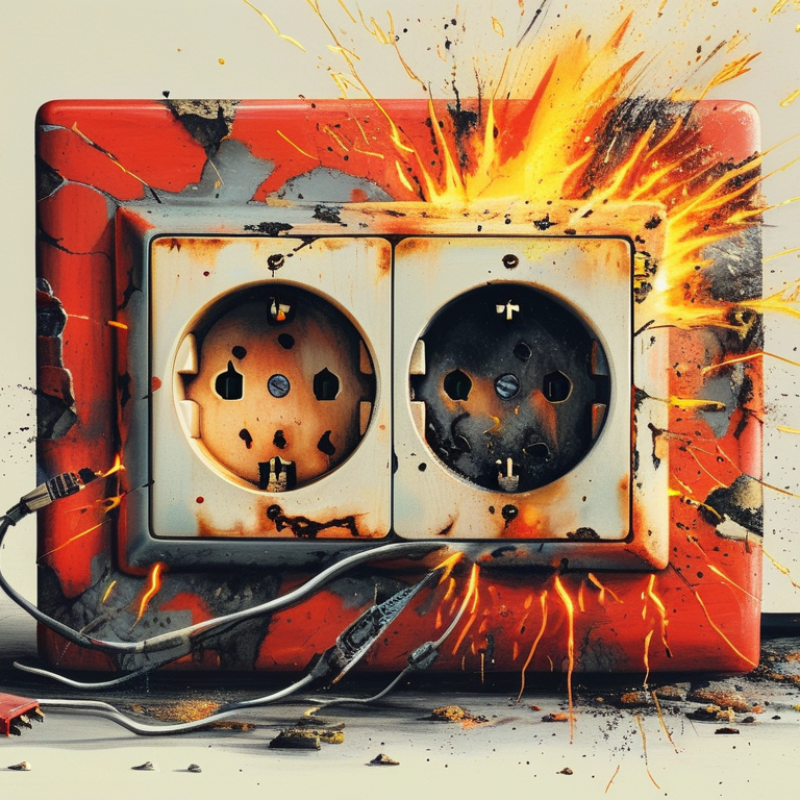
Socket burn occurs when electrical connections overheat, leading to damage. This can affect various electrical devices, potentially causing failures or widespread issues. The overheating typically results from loose connections, prolonged use, or using incompatible devices.
When a socket burns, it can create a fire hazard. The melted components may affect the wiring, leading to further electrical problems. Devices connected to the burnt socket might become inefficient or stop working altogether. In some cases, this could also damage the appliance directly plugged into the socket.
Assessing your electrical setup is essential. Regularly check sockets for signs of wear. If you notice discoloration or a burnt smell, it is vital to address the issue immediately. Use high-quality, compatible devices to avoid overload. Ensure that connections are secure. This helps reduce heat build-up and prolongs the life of both your sockets and devices. Prioritize safety when dealing with electrical issues. Always consult professionals if you are unsure.
Common Causes of Socket Burn: Overheating and Poor Connections
Burns in electrical sockets can pose serious hazards. Overheating is a primary reason for this issue. When a socket is overloaded, excess current can generate heat. This heat can damage the socket's internal components. Over time, the insulation may degrade, leading to burns.
Poor connections also contribute to this problem. Loose wires can create resistance within the socket. This resistance generates heat, causing the socket to burn. It’s crucial to ensure tight connections, preventing heat buildup. Regular inspections can help identify potential risks.
In some cases, users may overlook signs of burn. Visible discoloration around the socket is a warning signal. Ignoring it can lead to more severe electrical issues. Taking proactive measures, like upgrading to higher-quality sockets, can minimize risks. Proper usage and maintenance are essential for safety.
Industry Data on Socket Burn Incidents and Their Economic Impact
The incidence of socket burn is a growing concern in many industries. Recent industry reports indicate that around 7% of electrical equipment failures result from socket burn. This can lead to significant downtime and repair costs. On average, companies may incur losses exceeding $50,000 per incident, depending on the nature of their operations. Additionally, electrical fires caused by faulty sockets can endanger personnel and facilities, highlighting a critical area for improvement.
Preventing socket burn requires proactive measures. Regular inspections of sockets and associated equipment are essential. A staggering 40% of reported burn incidents stem from outdated infrastructure. Upgrading to modern, heat-resistant materials can mitigate this risk. Training employees on safe usage practices is also vital. Properly educating staff can decrease the likelihood of user errors that often precede such incidents.
Addressing these issues can significantly reduce associated financial losses. However, many firms still overlook these preventive steps. The reluctance to invest in reliable socket solutions can lead to higher overall costs. It is a challenging mindset to shift, yet necessary for long-term safety and efficiency in the workplace.
What Causes Burn in Socket and How to Prevent It? - Industry Data on Socket Burn Incidents and Their Economic Impact
| Incident Year |
Number of Incidents |
Estimated Economic Impact ($) |
Common Causes |
Preventive Measures |
| 2020 |
150 |
$200,000 |
Overloading, Dust Accumulation |
Regular Inspection, Proper Load Management |
| 2021 |
175 |
$250,000 |
Moisture, Poor Quality Materials |
Use of Quality Components, Environmental Controls |
| 2022 |
200 |
$300,000 |
Wiring Issues, Aging Sockets |
Socket Replacement, Regular Maintenance |
| 2023 |
220 |
$350,000 |
Poor Ventilation, Inadequate Circuit Design |
Improved Circuit Design, Enhanced Ventilation |
Effective Materials and Techniques for Socket Design to Prevent Burn
When designing sockets, material choice is critical for preventing burn issues. High-quality, heat-resistant materials such as ceramics and thermoplastics are often recommended. These materials can withstand higher temperatures without degrading. In contrast, cheaper plastics may melt or deform, leading to potential electrical hazards.
Proper design techniques also play a significant role. Ensuring good airflow around the socket helps dissipate heat effectively. Ventilation holes can be an excellent addition to allow heat to escape. Additionally, the arrangement of components inside the socket should minimize direct contact with power sources. This reduces the risk of short circuits and overheating.
Regular testing and monitoring of socket performance are necessary to identify issues early. Given the fast-paced evolution of electrical components, routine evaluations ensure safety standards are met. Over time, a lack of attention to socket design may lead to frequent failures. It's vital for designers to embrace continuous improvement. This mindset helps address potential flaws in their design and enhances reliability in the long run.
Best Practices for Maintenance and Inspection to Avoid Socket Burn
Socket burn occurs due to excessive heat generated by electrical resistance. This can lead to damage, affecting both safety and functionality. A study by the National Fire Protection Association reported that faulty electrical connections are a leading cause of fires, emphasizing the importance of regular maintenance and inspection.
To prevent socket burn, inspect plugs and sockets regularly. Look for discoloration or melting. If you notice any damage, replace faulty components immediately. Use thermal imaging tools to identify hotspots in electrical systems. According to the Institute of Electrical and Electronics Engineers, proactive maintenance can reduce failure rates by up to 30%.
Maintaining proper airflow around sockets is crucial. Avoid overloading sockets with multiple devices. Distribute the electrical load evenly to prevent overheating. Additionally, keep the area around sockets dry and free from dust. These simple practices can improve safety and extend the lifespan of your electrical systems.