How to Choose the Best Circuit Board Tester for Your Needs?
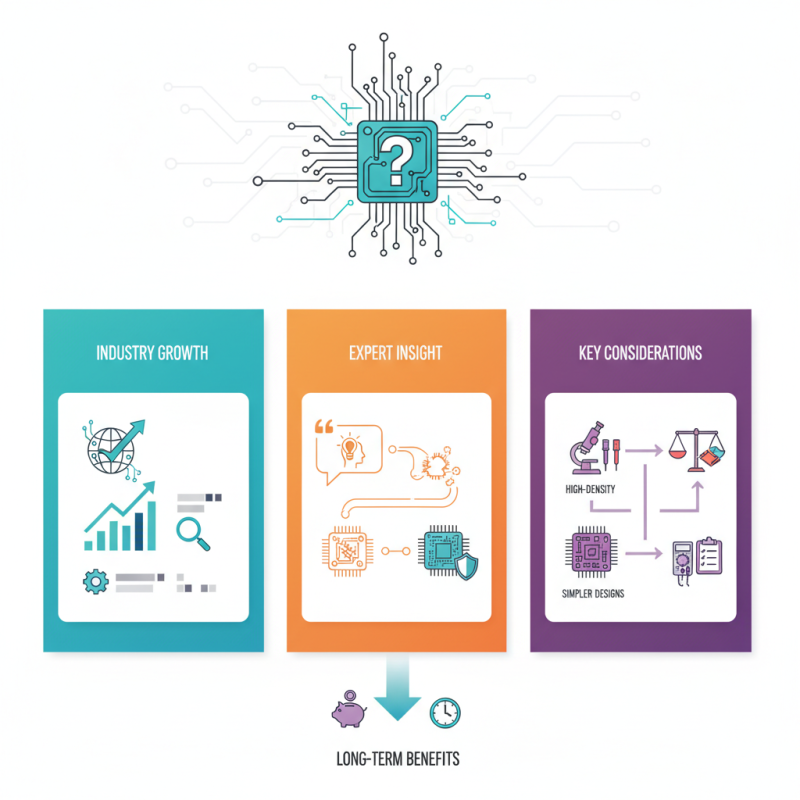
Choosing the right circuit board tester is crucial for manufacturers today. In an industry where precision is paramount, having reliable testing equipment is essential. According to a report by Market Research Future, the circuit board tester market is expected to grow at a CAGR of 6.2% from 2022 to 2028. This highlights the increasing demand for quality control in electronics manufacturing.
Expert in the field, Dr. Amelia Hart, emphasizes the importance of selecting a suitable circuit board tester: "A tester tailored to your specific needs can prevent costly production errors." This statement underscores a significant truth in the industry. Not every tester suits every application, making careful evaluation essential.
It's vital to consider various factors when choosing. Test requirements vary greatly depending on the type of circuit board. For instance, high-density boards require precision testers, while simpler designs may not need advanced features. Manufacturers often face challenges, leading to a need for reflection on their testing processes. Ultimately, investing in the right circuit board tester can lead to significant long-term benefits.
Understanding Circuit Board Testing Needs
Understanding the testing needs for circuit boards is crucial for engineers and manufacturers. The global circuit board testing market is projected to reach $1.3 billion by 2025, highlighting its growing importance. Tests help to identify physical defects, functional failures, and reliability issues. Effective testing increases product lifespan and ensures quality.
Parameters for selecting a tester include the type of circuit board and specific applications. High-density interconnect (HDI) boards, for instance, require different testing methods compared to traditional ones. Research shows that over 60% of product failures stem from assembly defects. Therefore, understanding the unique requirements for your product is essential.
Opting for general testing methods might seem convenient, but it often provides misleading results. A one-size-fits-all approach may overlook critical issues. It’s important to assess your board's complexity and tailor your testing approach accordingly. Data indicates that 40% of engineers prioritize accuracy and precision in testing, underscoring the need for suitable equipment. Acknowledging that every circuit board has distinct characteristics allows for more effective quality assurance.
Types of Circuit Board Testers Available
When selecting a circuit board tester, understanding the available types is crucial. The two main categories are automated and manual testers. Automated testers offer speed and efficiency. They can handle high volumes of boards quickly. These are ideal for production environments where time is essential.
Manual testers require more human interaction. They provide a hands-on approach, making them suitable for smaller operations. This type allows for detailed inspections, which can catch errors that machines may overlook. However, manual testing can be time-consuming and may lead to inconsistencies if not performed carefully.
Another aspect to consider is functionality. Some testers focus on basic connectivity, while others can perform complex analyses, including thermal imaging and X-ray inspection. Each type has its strengths and limitations. Not every operation needs the most advanced features. Evaluating your specific requirements can lead to better decision-making and improved testing outcomes. Balancing cost with capability is essential for achieving long-term reliability.
Key Features to Consider in a Tester
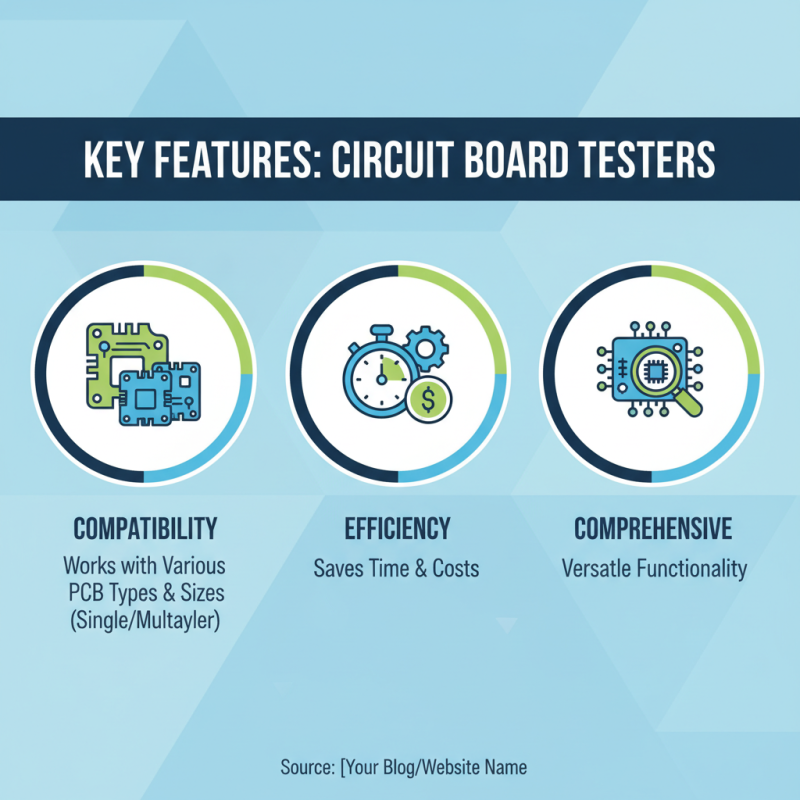
When selecting a circuit board tester, several key features warrant your attention. The tester’s compatibility is crucial. Ensure it works with various PCB types and sizes. Some testers handle multilayer boards, while others are limited. A comprehensive tester can save you time and costs in the long run.
Accuracy and precision are paramount. Look for a device that provides reliable results. Testers with high resolution ensure that even minor defects are detected. This level of detail helps avoid costly errors. However, be mindful that more advanced models can come with a steep learning curve. You may need to invest time in understanding their full capabilities.
Consider the user interface as well. A straightforward interface can significantly enhance your testing efficiency. Complex controls may lead to frustration and errors. It’s essential to find a balance between functionality and usability. Often, a tester with fewer features allows for quicker navigation. Finally, check for support and tutorials from the manufacturer. This can greatly impact your experience, especially during troubleshooting or learning phases.
Evaluating Budget and Cost-Effectiveness
When evaluating circuit board testers, budget is a key factor. The industry reports indicate that testing equipment can range from $1,000 to over $100,000. This significant price variance often stems from features, accuracy, and reliability. A simpler tester might be adequate for basic projects, whereas complex boards may require advanced technology. Make sure to assess what your specific needs are.
Cost-effectiveness goes beyond the initial purchase price. According to recent data, maintenance and operational costs can represent up to 30% of total expenditures in electronics testing. Selecting a tester with low maintenance requirements can save significant money over time. Additionally, the right choice may enhance productivity, leading to greater overall savings.
Consider the potential for scalability as well. A low-cost option that meets current needs might soon become obsolete. Investing slightly more in a versatile tester can pay off when future projects require greater testing capabilities. Analyze your long-term goals and reflect on how this choice fits into your evolving needs. Balancing price against performance is essential for making an informed decision.
Tips for Maintaining Your Circuit Board Tester
Maintaining your circuit board tester is crucial for its longevity and performance. Regular cleaning can vastly enhance your device's accuracy. Dust and grime can accumulate, leading to false readings. Use a soft, lint-free cloth to wipe the tester. For stubborn spots, a gentle cleaning solution can do wonders.
Calibration is another essential aspect. Over time, your tester may drift away from the accurate readings. Schedule periodic recalibrations. Document the calibration dates. This practice not only aids in tracking performance but ensures reliability in your measurements. Pay attention to the specifications to avoid unnecessary issues.
Lastly, storage matters. Store your tester in a controlled environment. Extreme temperatures and humidity can damage sensitive components. A dedicated, protective case can help. It’s essential to reflect on these maintenance tasks regularly. Overlooking them can lead to costly repairs or replacements.
How to Choose the Best Circuit Board Tester for Your Needs? - Tips for Maintaining Your Circuit Board Tester
| Feature |
Importance Level |
Considerations |
| Test Speed |
High |
Faster tests increase productivity significantly. |
| Accuracy |
High |
Accurate results help in reducing faulty circuit boards. |
| Ease of Use |
Medium |
User-friendly interfaces can reduce training time. |
| Versatility |
Medium |
Capable of testing various PCB types is advantageous. |
| Software Compatibility |
High |
Seamless integration with existing systems is key. |
| Maintenance Requirements |
Medium |
Regular upkeep keeps the tester functioning optimally. |
| Price |
High |
Balancing cost with features is essential for budget. |