How to Choose the Best Stainless Steel Chains for Your Needs?
Choosing the right Stainless steel chains can be challenging. With various types and styles available, it’s essential to understand your needs before making a decision. Stainless steel chains are popular for their durability and resistance to corrosion. They find use in numerous applications, from jewelry to heavy industrial uses.
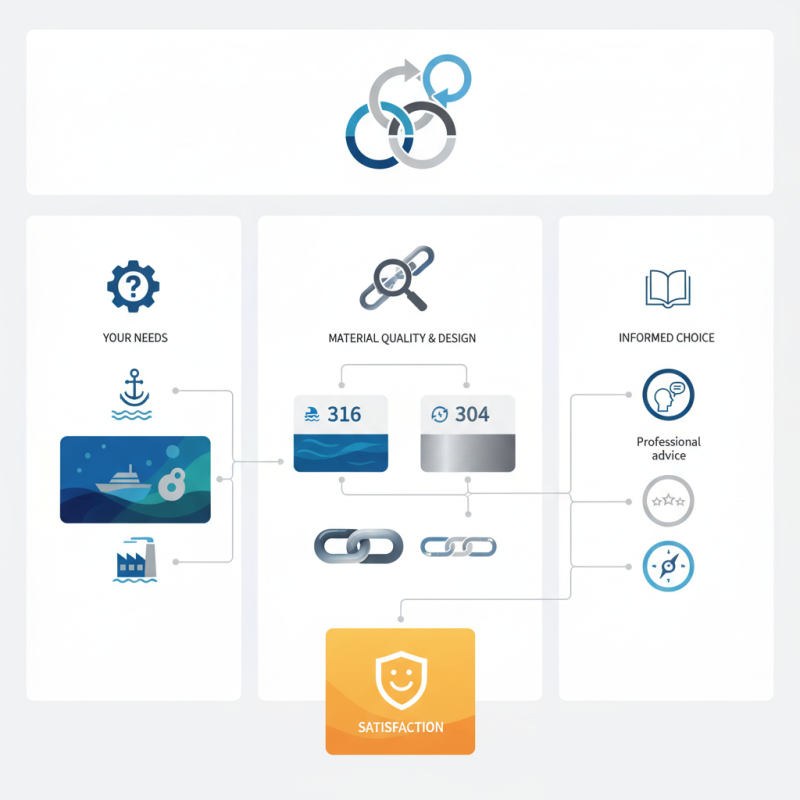
When selecting stainless steel chains, consider the material quality and design. Different grades of stainless steel offer unique benefits. For example, 316 stainless steel is ideal for marine environments, while 304 works well for general use. Each option has its strengths and weaknesses.
It’s crucial to reflect on what you need the chains for. Not all chains fit every scenario, and a poor choice can lead to frustration. A reliable source of information is key. Seek professional advice, read reviews, and explore various options. Your satisfaction depends on making an informed choice.
Understanding Stainless Steel Chains: Key Characteristics and Benefits
Stainless steel chains are pivotal in various industries due to their durability and corrosion resistance. Understanding their key characteristics can aid in selecting the right chain for your needs. The American Society for Testing and Materials (ASTM) states that stainless steel chains can withstand harsh environments, making them ideal for marine and industrial applications. With a low carbon content, these chains resist scaling and oxidation, which means they can last years with minimal maintenance.
When choosing a stainless steel chain, consider the grade of steel used. For instance, 304 stainless steel is common and offers good corrosion resistance. However, for more extreme conditions, 316 stainless steel is superior, often preferred in chemical environments.
Tips: Assess the environment your chain will be exposed to. Higher humidity or direct exposure to salts can accelerate corrosion. Regular cleaning and lubrication are essential for longevity.
While stainless steel chains are robust, they have limitations. They can become brittle under extreme temperatures and may be prone to wear under heavy loads. Always consult industry resources or professionals to ensure your chain meets the specific demands of your application. Checking tensile strength ratings can help avoid mishaps. Inadequate knowledge can lead to costly failures or safety hazards.
Identifying Different Types of Stainless Steel Chains for Varied Uses
When selecting stainless steel chains, understanding the types available is essential. Stainless steel chains vary widely based on their design and intended use. For instance, there are decorative chains often found in jewelry, and heavy-duty chains used in construction. Each serves a unique purpose and has different strength requirements.
Choosing the right type means considering your specific needs. Smaller chains might be ideal for lightweight tasks, while larger chains are better suited for heavy lifting. Remember, the grade of stainless steel also affects durability and resistance to corrosion. Some chains may not hold up well in harsh environments, requiring a more robust option.
It's crucial to reflect on your choices. Sometimes, what seems like a good fit might not deliver in terms of performance. If a chain is too weak for the task, it may fail, leading to potential accidents. On the other hand, opting for an excessively strong chain might be overkill, adding unnecessary weight and cost. Aim for a balance that meets your needs without compromising safety or efficiency.
Evaluating Strength and Durability: Choosing the Right Chain Specification
When evaluating the strength and durability of stainless steel chains, it's crucial to understand material specifications. Stainless steel chains come in various grades, with 304 and 316 being the most common. The grade affects corrosion resistance, tensile strength, and overall durability. According to industry studies, 316 stainless steel offers superior resistance to saltwater environments compared to 304. This can be vital for marine applications where exposure to harsh conditions is frequent.
Another aspect to consider is the chain's load rating. The load rating determines the maximum weight the chain can safely support. A report from the American National Standards Institute (ANSI) emphasizes that choosing a chain with an appropriate load rating is essential for safety and functionality. Underestimating load capacity can lead to chain failure and accidents. Similarly, overestimating the rating may result in unnecessary costs and wasted resources.
It’s also worth noting that a chain’s design impacts its performance. Different link shapes and sizes can affect a chain's flexibility and wear. A study conducted by the International Journal of Mechanical Engineering found that larger link sizes can enhance resistance to bending fatigue but may reduce flexibility. As such, balancing flexibility and strength is necessary for optimal performance in specific applications.
Assessing Environmental Factors: Corrosion Resistance and Maintenance Needs
When selecting stainless steel chains, environmental factors play a crucial role. Corrosion resistance is vital, especially in outdoor applications. Stainless steel offers natural resistance to rust, but not all grades are equal. Consider your environment. For marine settings, a higher grade is necessary. In contrast, a standard grade may suffice for indoor use.
Maintenance needs also impact your choice. Regular cleaning is key to prolonging the life of your chains. Dirt and grime can attract moisture, leading to corrosion over time. Depending on the environment, you may need to clean your chains more frequently. A simple wipe-down can make a difference.
**Tips:** Check for signs of wear. If you notice pitting or discoloration, reassess your chain choice. Using a protective coating can enhance durability. Always consider the specific conditions your chains will face. Understanding these factors will ensure your selection meets your needs effectively.
Finding the Right Size and Length: Practical Tips for Measurement and Fit
When selecting stainless steel chains, size and length are crucial factors. Accurate measurements can determine how well a chain fits your needs. The right size ensures both functionality and aesthetics. Industry reports suggest that improper sizing can lead to chain overload, stressing components and reducing lifespan. To avoid these pitfalls, understand how to measure your requirements.
Begin by measuring the width of the links. Using calipers offers precision. For custom applications, pay attention to the total length required. Industry standards recommend increasing the length by 10% to accommodate any tension during use. This small adjustment can enhance performance significantly.
It’s vital to consider practical aspects as well. The thickness of the chain influences its strength. A thinner chain may not withstand heavy loads, risking failure. However, thicker chains can be cumbersome and more expensive. Finding balance is essential. Regularly reviewing measurements and adjusting them based on actual use can prevent costly mistakes.
Choosing the Best Stainless Steel Chains: Size and Length Analysis