What Is a Flavored Air Pen and How Does It Work?
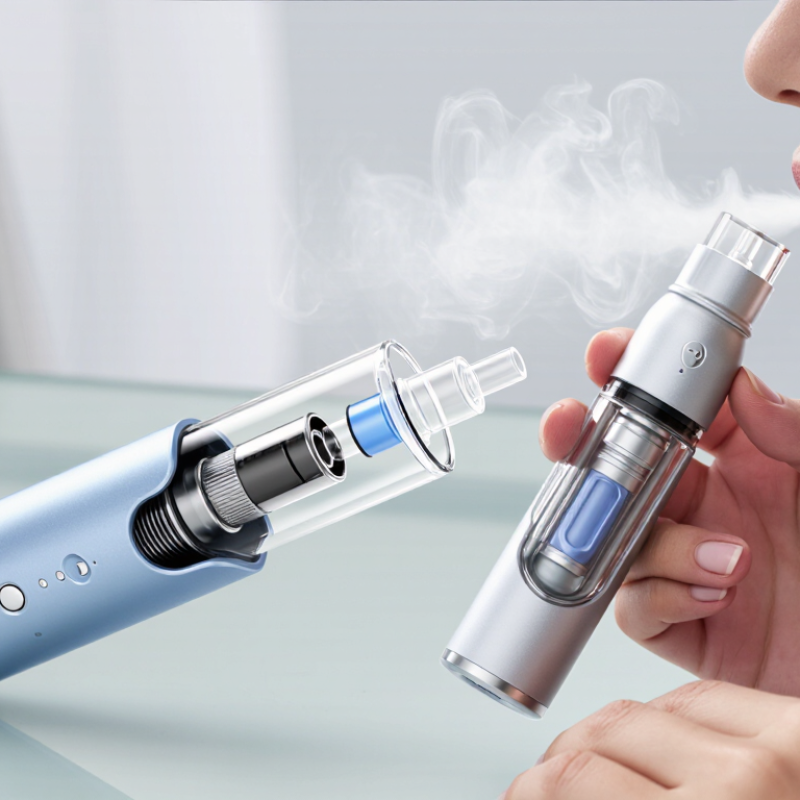
A Flavored Air Pen is a small, portable device designed to deliver flavored or scented airflow without combustion. It usually contains a mouthpiece, an airflow channel, and a flavor component such as a scented insert or replaceable cartridge. Some models rely on natural inhalation, while others use a small fan or pressure-sensitive valve. The exact design varies widely.
In practical use, a person draws gently through the mouthpiece. Air passes over or around the flavor source, carrying a mild taste or aroma to the mouth. There may be no visible vapor. That detail matters. A Flavored Air pen should not automatically be treated like an electronic cigarette or a medical inhaler. Product claims can sound similar, but the technology and intended purpose may differ.
Read the label carefully.
Reliable information begins with the ingredients, operating instructions, and manufacturer details. Look for clear statements about whether the device contains nicotine, cannabinoids, medication, or other active substances. A genuinely simple flavor product should explain its contents without vague promises. Claims about relaxation, focus, or health benefits deserve caution unless supported by credible evidence.
The experience can feel subtle. Imagine cool air moving through a mint-scented tube, leaving a brief, clean sensation. Still, personal impressions are not scientific proof. Flavors may also irritate sensitive users, especially children, people with asthma, or anyone reacting to fragrances. Stop using the product if discomfort occurs. Store it securely, avoid sharing mouthpieces, and follow local safety rules. Not every “air” pen is harmless by name alone, so careful evaluation remains essential.
Definition and Basic Purpose of a Flavored Air Pen
A flavored air pen is a small, handheld device designed to deliver a taste or aroma during inhalation. Its basic purpose is sensory, not medicinal. However, the term is not standardized. Some pens release scented air through a passive airflow system. Others heat a liquid and create an aerosol. That distinction matters.
A passive pen usually contains a flavor cartridge, airflow channel, and mouthpiece. Drawing through the mouthpiece moves air across the flavor material. No combustion occurs, and many designs use no battery. Heated versions may contain a battery, heating element, and liquid reservoir. They produce an inhaled mist instead.
The CDC explains that aerosols can contain ultrafine particles and other potentially harmful substances. WHO’s 2023 report also stresses that inhaled product emissions require careful health evaluation. These findings do not prove that every flavored air pen is harmful. They do show that “flavored” does not automatically mean risk-free. The category remains fuzzy.
Tips:
- Check whether the product uses passive airflow or heating.
- Read the full ingredient list.
- Avoid products with unclear contents, nicotine, or unverified health claims.
- Keep cartridges away from children and pets.
- Stop using the pen if it causes coughing, chest discomfort, dizziness, or irritation.
- Evidence is still limited for many newer designs, so cautious use is sensible.
- Marketing can sound more certain than the science.
Main Components and Their Functions
A flavored air pen is a compact device designed to deliver scented or flavored air through a mouthpiece. The term is not standardized. Some products use only aroma compounds, while others create an inhalable aerosol from a liquid. That difference matters. Users should check the ingredient label, age guidance, and local regulations before use.
Its main components work together in a short airflow path. The mouthpiece directs air into the mouth. A reservoir or cartridge holds the scented liquid, if one is present. An atomizer or heating element converts that liquid into an aerosol.
A battery supplies power, while an airflow sensor activates the system when the user inhales. Small vents control resistance and reduce pressure. The structure sounds simple.
It is not risk-free by default. The U.S. CDC’s 2023 National Youth Tobacco Survey reported 2.13 million current e-cigarette users among middle and high school students; 89.4% used flavored products. That report concerns e-cigarettes, not every flavored air pen, but it shows why flavor claims need careful interpretation. The U.S. FDA also states that no tobacco product is safe. A non-tobacco label does not prove harmlessness. More independent testing is still needed, especially for heated flavor chemicals and fine particles.
How Air and Flavor Move Through the Device
What Is a Flavored Air Pen and How Does It Work?
How Air and Flavor Move Through the Device
A flavored air pen is a small, non-combustible device designed to add taste or aroma to an airflow. It does not create flavor from air alone. Instead, air passes through a flavor medium, such as a dry aromatic insert or a sealed scent chamber. When the user draws through the mouthpiece, pressure pulls air through an inlet. The air then crosses the flavor area and carries volatile aroma molecules into a mixing channel. It finally exits through the mouthpiece as a scented airflow.
The movement is simple, but the experience depends on engineering details. A narrow channel can increase contact with the flavor medium, while a wider channel may create a lighter taste. Filters, valves, and seals also affect resistance and consistency. Some designs may deliver stronger flavor at the beginning, then weaken as the medium dries. That unevenness matters.
The World Health Organization reported approximately 1.25 billion adult tobacco users worldwide in 2022. That figure does not describe flavored air pens, but it shows why product categories must not be confused. A 2024 Grand View Research report estimated the global electronic cigarette market at over 20 billion dollars, yet flavored air devices should not be treated as electronic cigarettes without evidence. Independent testing should examine airflow resistance, material safety, leakage, and chemical emissions. The diagram looks clean. Real performance may be less perfect.
Different Types of Flavored Air Pens
A flavored air pen is a small, battery-powered device that delivers scented air through a mouthpiece. Unlike smoking products, it is designed without combustion and may produce little or no visible vapor. Inside, airflow passes over a scented element before reaching the user. The experience can resemble tasting a light fruit, mint, or herbal note, although the flavor is mainly perceived through smell.
Different types of flavored air pens use different scent systems. Wick-based pens contain a dry aroma strip or porous insert. They usually feel light and simple, with no liquid chamber. Cartridge-based pens use sealed scent capsules, which can be replaced when the aroma fades. Some models offer several flavor options, while others limit users to one fixed scent. Refillable designs include a small scent chamber, but they require careful handling and compatible materials. “Refillable” does not always mean safer.
Airflow also separates these pens into manual and rechargeable types. Manual models activate when the user inhales, while rechargeable versions use a sensor or button. A softer draw may feel smoother, but personal comfort varies. Check the ingredient list and usage instructions before inhaling any scented product. Food-safe flavoring is not automatically safe for the lungs. This distinction is often overlooked. Avoid damaged devices, unknown liquids, and excessive use, especially when irritation, coughing, or dizziness appears. Regulations and product standards can differ by location.
Usage, Maintenance, and Safety Considerations
What Is a Flavored Air Pen and How Does It Work?
A flavored air pen is a small inhalation device that delivers scented or flavored aerosol. Many models use a battery, heating element, and replaceable liquid chamber. When activated, the heater warms the liquid and produces a visible mist. It is not simply water vapor. The ingredients may include flavorings, solvents, or other additives, so users should read the product label carefully.
Use the pen gently and follow the supplied instructions. Avoid deep, repeated inhalation, sharing the mouthpiece, or using damaged cartridges. Keep the device away from children, pets, heat, and direct sunlight. Do not use it during charging unless the instructions clearly permit it. A pleasant flavor can create false confidence. That deserves attention. People with asthma, allergies, pregnancy, or other health concerns should seek medical advice before use.
Maintenance affects both performance and safety. Wipe the mouthpiece with a clean, dry cloth, and check it for residue or cracks. Keep connection points dry. Do not puncture, refill, modify, or disassemble sealed parts. Stop using the pen if it becomes unusually hot, leaks, smells burnt, or behaves unpredictably. Battery damage is easy to underestimate. Store it separately from keys and coins to reduce accidental contact. Product instructions remain the most reliable source because designs and ingredients differ. Also, “flavored” does not automatically mean harmless.
What Is a Flavored Air Pen and How Does It Work?
A flavored air pen is a small battery-powered device that moves air through a flavor chamber or cartridge. In reusable models, a battery powers an internal heating or airflow component, while the mouthpiece delivers the flavored aerosol or air to the user.
Operating Sequence
Usage, Maintenance, and Safety
Use the device only as directed by its manufacturer. Keep the mouthpiece and airflow openings clean, avoid sharing the device, and inspect it before use. Do not use a pen with a damaged battery, leaking cartridge, unusual heat, or a cracked casing. Rechargeable models should be charged with the recommended equipment and stored away from extreme heat, moisture, and direct sunlight. Flavored vapor or aerosol is not automatically harmless, so users should review the ingredients and avoid products that cause irritation or breathing discomfort.