What is an Oil Rig Pump and How Does it Work?
In the oil and gas industry, the significance of an Oil Rig Pump cannot be overstated. As noted by Dr. Emily Carter, a renowned expert in petroleum engineering, "The efficiency of an Oil Rig Pump directly impacts the profitability of drilling operations." This highlights the crucial role these pumps play in extracting resources from beneath the Earth's surface.
Oil Rig Pumps operate tirelessly, transporting oil and gas to the surface. They face gritty conditions, from extreme temperatures to high-pressure environments. Understanding their functionality and mechanics is essential for optimizing production and minimizing downtime. Unlike other machinery, these pumps require regular maintenance and monitoring. Neglecting them can lead to costly failures.
Despite their importance, many industry professionals overlook the intricacies of Oil Rig Pumps. This can lead to inefficient operations and wasted resources. There is a need for more training and awareness around their optimal use. Investing in knowledge about these pumps can result in better performance and enhanced safety on the oil rig.
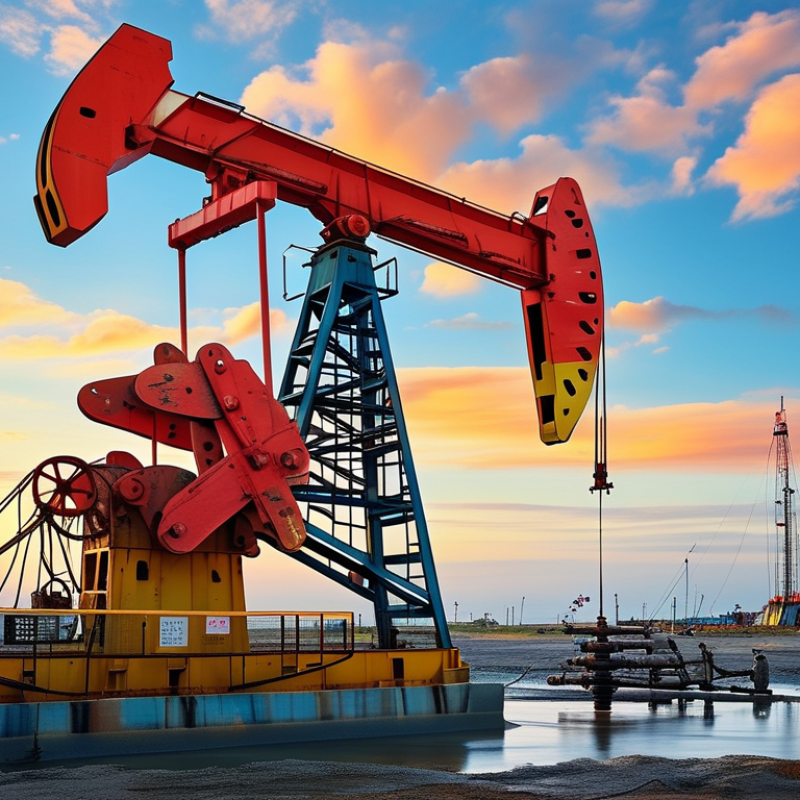
What is an Oil Rig Pump?
An oil rig pump is a critical component in the extraction of crude oil. These pumps are designed to transport oil from the well to the surface. They play a vital role in enhancing oil production efficiency. According to industry reports, the global oil extraction market is projected to reach USD 4 trillion by 2025. This growth underscores the importance of effective pumping solutions.
Oil rig pumps can come in various types, including centrifugal and positive displacement pumps. Each type has unique advantages and operational methods. Centrifugal pumps use rotational energy to move oil, while positive displacement pumps force a fixed volume of fluid. This choice can affect the overall efficiency of oil extraction. Data from the Oil and Gas Journal highlights that efficient pumping systems can increase production rates by up to 30%.
Tips: Regular maintenance of oil rig pumps is essential. Neglect can lead to operational failures. Keeping systems clean and checking for leaks can save significant costs.
The working environment of oil rigs poses challenges. High pressure and corrosive fluids can cause wear on pumps. The choice of materials and regular inspections can mitigate these risks. A strong understanding of these factors contributes to reliable pump operations.
Types of Oil Rig Pumps Used in Drilling Operations
Oil rig pumps play a crucial role in drilling operations. They transport drilling fluids, which cool the drill bit and carry rock cuttings to the surface. Without these pumps, the drilling process would quickly become inefficient. Two main types of oil rig pumps are commonly used: positive displacement pumps and centrifugal pumps.
Positive displacement pumps are known for their ability to generate high pressures. They move the fluid by trapping a fixed amount and forcing it into the discharge pipe. This type is effective in heavy mud applications, operating at pressures up to 7,500 psi. On the other hand, centrifugal pumps excel in handling large volumes of fluid at lower pressures. They utilize a rotating impeller to increase fluid velocity, making them suitable for larger-scale operations where speed is crucial.
Choosing the right pump can impact overall efficiency. Recent industry studies suggest an organization could save up to 20% in operational costs by selecting optimal pump technology. However, organizations often face challenges in pump selection due to varying field conditions. Some may overlook specifications. This oversight can lead to premature wear or suboptimal performance, necessitating regular assessments and adaptations in pump choices. Reliability in pumps is vital for maintaining effective drilling operations and preventing costly downtime.
The Mechanism of Oil Rig Pumps: How They Function
Oil rig pumps play a crucial role in the extraction of crude oil from beneath the Earth's surface. These pumps are designed to move fluids with high efficiency and precision. The mechanism involves several key components, including gears and pistons. When activated, these elements create pressure, allowing the pump to draw oil from the well and transport it to the surface. According to the American Petroleum Institute, oil extraction efficiency can increase by 20% with properly maintained pump systems.
Understanding the function of oil rig pumps can help in optimizing their performance. Regular maintenance checks are essential to ensure these pumps operate at peak efficiency. Blockages can significantly reduce flow rates, leading to costly downtimes.
Tip: Operators should implement a routine inspection schedule to catch issues early. Additionally, consider using flow meters to monitor performance continuously.
Efficiency is not just a matter of mechanics; it requires expertise. Training workers on pump operations minimizes errors. Even small mistakes can result in significant leaks. Regular training refreshers can help maintain high safety standards and operational efficiency.
Tip: Use visual aids during training sessions to enhance understanding. Remember, the effectiveness of a pump is only as good as its operator's knowledge and skills.
Maintenance and Troubleshooting of Oil Rig Pumps
Oil rig pumps are essential for managing fluid extraction and circulation during drilling operations. They handle significant pressures and must remain reliable under extreme conditions. Regular maintenance is crucial to avoid costly downtime and ensure optimal performance. Each pump should be inspected for leaks, vibrations, and unusual noises. Identifying issues early can prevent severe malfunctions.
Routine checks include monitoring fluid levels and replacing filters. Operators should regularly check that all connections are secure. Tips: Use vibration analysis tools to detect issues before they escalate. Keep a log of maintenance activities to track the pump's performance over time.
Troubleshooting involves understanding common problems. If a pump fails to operate, examine power sources and control systems first. It’s common to overlook minor electrical faults. Addressing these can save time and resources. If the pump is operational but not performing efficiently, check for blockages in hoses. Tips: Always follow the manufacturer’s guidelines for repairs and adjustments. This ensures safety and maintains warranty coverage. Recognizing that wear and tear is inevitable helps foster an environment of proactive maintenance.
Oil Rig Pump Performance Data
This bar chart illustrates the average efficiency and operational hours of oil rig pumps over a typical month. The data reflects trends in pump performance, highlighting key operational characteristics.
The Role of Oil Rig Pumps in Energy Production and Supply
Oil rig pumps play a crucial role in energy production. These pumps are essential for the extraction of crude oil from deep underground reservoirs. They work by creating a pressure differential, allowing oil to flow to the surface. This process is vital in maintaining a steady supply of crude oil to refineries. Without efficient pumping systems, the energy sector would face significant challenges.
In the operation of oil rigs, pumps must be reliable and efficient. They often operate under extreme conditions, which can lead to wear and tear. Regular maintenance is necessary to prevent failures. However, issues can still arise, and downtime can affect production levels. This highlights the need for consistent monitoring and upgrades to equipment. The complexity of these systems demands experienced technicians to ensure optimal functionality.
The impact of oil rig pumps extends beyond immediate production. They are part of a larger ecosystem that supports economic stability. A failure in the pumping system can lead to significant supply chain disruptions. Thus, understanding how these pumps work is vital for professionals in the energy industry. Continuous improvement and innovation in pump technology remain essential for future energy needs.