Top Applications of Pogo Pin Array in Modern Electronics?
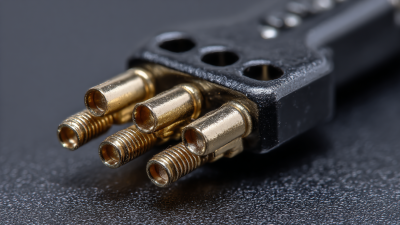
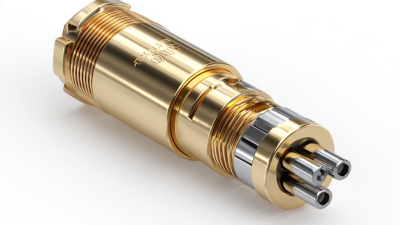
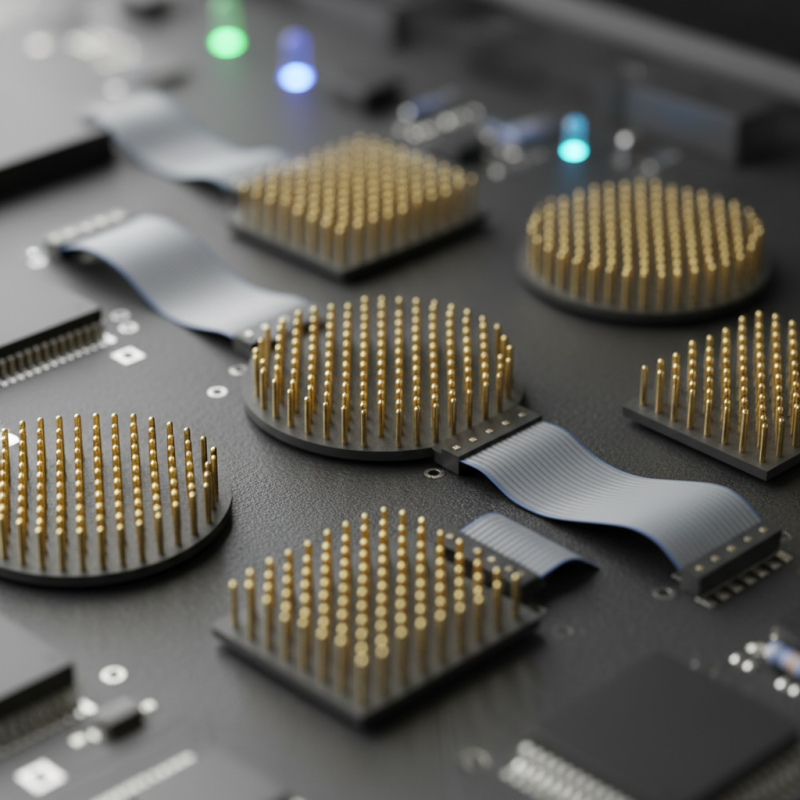
In the realm of modern electronics, the pogo pin array has gained significant attention. This component plays a crucial role in enhancing connectivity and reliability. Often found in smartphones, laptops, and various electronic devices, pogo pin arrays provide a compact solution for electrical connections. Their design features spring-loaded pins that engage with corresponding pads, ensuring secure and consistent contact.
The versatility of pogo pin arrays is evident. They are utilized for battery connections, testing, and even programming devices. However, challenges remain in the manufacturing process. Variations in pressure or alignment can affect performance. It’s essential to address these issues for optimal efficiency in device operations.
Despite their advantages, some developers overlook the importance of pogo pin arrays. This can lead to design flaws and increased production costs. Understanding the applications and limitations of pogo pin arrays is vital for engineers. Focusing on precision and innovation can help leverage their full potential in the ever-evolving electronics landscape.
Applications of Pogo Pin Arrays in Consumer Electronics Devices
Pogo pin arrays play a crucial role in consumer electronics. These components offer reliable and efficient connections in various devices. According to industry reports, the market for pogo pins is expected to grow significantly, reaching over $1 billion by 2025. They are widely used in smartphones, tablets, and wearable devices.
One major application is in battery connections. Pogo pins ensure consistent power transfer between batteries and devices. The flexibility provided by pogo pins enables designers to create compact and lightweight devices. However, a downside is the wear and tear that can occur with frequent use. This leads to questions about long-term reliability.
Another important area is in testing and programming. Pogo pin arrays facilitate quick connections for testing purposes. This helps manufacturers reduce production time. Nevertheless, achieving perfect alignment can be challenging. Poor alignment can lead to intermittent connections, affecting performance. Improvements in design are essential to address these issues and enhance usability.
Impact of Pogo Pin Arrays on Wearable Technology Performance
Pogo pin arrays have transformed wearable technology performance. These small but powerful connectors enable seamless communication between devices. Their design allows for quick and reliable connections, crucial for wearables like fitness trackers and smartwatches.
In wearable devices, durability and efficiency matter. Pogo pins enhance battery life by ensuring efficient power transfer. However, the alignment and contact pressure can sometimes be inconsistent. This inconsistency might lead to occasional connectivity issues, which frustrates users. Engineers must refine the design to minimize these problems.
Another challenge is dimensional constraints. Modern wearables are compact, and space is limited. Pogo pins must fit within tiny enclosures while still maintaining reliability. This design optimization is not straightforward and requires thoughtful engineering approaches. Balancing size, performance, and user experience is a continuous process in the wearable tech industry.
Top Applications of Pogo Pin Array in Modern Electronics
This chart represents the impact of Pogo Pin Arrays on various applications in modern electronics. The ratings indicate the effectiveness of Pogo Pin technology in enhancing the performance of wearable devices, smartphones, IoT devices, consumer electronics, and industrial equipment.
Role of Pogo Pin Arrays in Automotive Electronics Connectivity
Pogo pin arrays are essential in automotive electronics. They provide reliable connectivity in various applications. The automotive industry demands high performance, and pogo pins meet these needs efficiently.
These pins are used in battery management systems. They facilitate quick connections, ensuring safe operation during charging. They also support communication modules, enhancing data transfer speed. In advanced driver-assistance systems (ADAS), pogo pins ensure stable connections for sensors. This stability is critical for safety features.
Tip: Consider the environmental factors your electronics face. Pogo pin arrays can be sensitive to temperature and moisture. Regular testing is advisable.
Another area where pogo pins excel is in control units. They allow for easy assembly and maintenance of electronic components. This aspect makes upgrades and repairs simpler. However, improper handling can lead to connection failures.
Tip: When designing with pogo pins, think about potential wear and tear. Quality matters, but so does design. Ensure a good fit to avoid issues down the line.
Advancements in Pogo Pin Array Design for Enhanced Signal Integrity
Pogo pin arrays have seen significant advancements in design, particularly in their ability to enhance signal integrity. These small, spring-loaded connectors provide reliable electrical connections in various electronic applications. Modern designs focus on minimizing signal loss and improving the overall performance of devices. The inherent flexibility of pogo pins allows for better alignment and contact with circuit boards, crucial for high-speed data transfer.
Some industry reports indicate that optimized pogo pin designs can reduce impedance mismatching by up to 30%. This is vital for applications demanding high frequency and bandwidth. Furthermore, enhancements in materials used for contact tips, such as gold plating, ensure better conductivity and corrosion resistance. Selecting the right materials is key to achieving long-term durability.
Tips: When designing circuits, consider the space constraints. Pogo pins must fit snugly in small areas. Ensure that the pins offer enough travel to maintain contact during operation. Choosing the right spring tension is essential too. A balance between ease of connection and reliability is crucial. Additionally, testing with various load conditions can highlight potential points of failure. This reflection can lead to better design decisions moving forward.
Top Applications of Pogo Pin Array in Modern Electronics
| Application Area |
Description |
Benefits |
| Consumer Electronics |
Used in mobile devices and laptops for battery connections. |
Improved durability and reliability of connections. |
| Medical Devices |
Facilitate connections in diagnostic equipment. |
Ensures high signal integrity and minimizes noise. |
| Automotive Technologies |
Used in tests and diagnostics of electronic control units. |
Enhances testing efficiency and reduces complexity. |
| Telecommunications |
Provides reliable connections for signal testing equipment. |
Reliable performance under varying conditions. |
| Industrial Automation |
Used in testing and connecting automation systems. |
Increases service life and minimizes downtime. |
Future Trends of Pogo Pin Arrays in IoT and Smart Home Applications
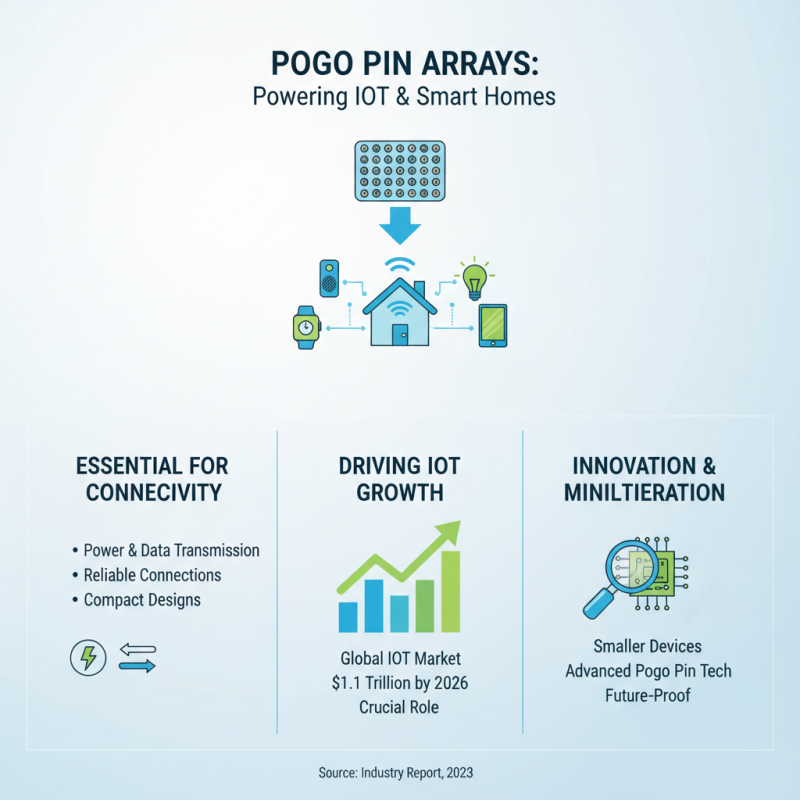
Pogo pin arrays are revolutionizing the world of IoT and smart home applications. With the proliferation of connected devices, these components are essential for power and data transmission. According to a recent industry report, the global IoT market is expected to reach $1.1 trillion by 2026. Pogo pins play a crucial role in this growth, providing reliable connections in compact designs. The demand for smaller devices drives innovation in pogo pin technology.
In smart homes, devices like smart locks and sensors rely on pogo pins for seamless operation. Consumers expect quick responses and efficient performance. However, not all pogo pins are created equal. Some manufacturers overlook quality, leading to reliability issues. It's vital to consider the material and design of pogo pins. Poor quality can result in increased maintenance costs and device failures. As the market evolves, identifying the right pogo pin specifications becomes crucial.
Looking ahead, the role of pogo pin arrays in smart appliances will expand. Features like wireless charging and advanced sensing will become commonplace. However, sustainability concerns loom over the production of electronic components. Addressing environmental impact is essential. Companies must innovate responsibly to meet consumer demands without harming the planet.