Essential Tips for Choosing the Right Pogo Pin Array?
Choosing the right pogo pin array is crucial for electronics design and fabrication. These components offer reliable connections in various applications, from smartphones to automotive systems. However, selecting the ideal pogo pin array can be challenging. Several factors require careful consideration to ensure optimal performance.
Material quality is one key aspect to evaluate. Different materials affect durability and conductivity. Conductive materials like gold or nickel are often preferred. Spring tension is another significant factor. It impacts the pin's ability to maintain a secure connection.
It's important to consider the size and spacing of the pogo pins as well. They must fit within the design constraints of your device. Testing and prototyping with different configurations can reveal what works best. Pay attention to feedback and be open to adjustments. Ultimately, selecting the right pogo pin array can enhance product reliability and longevity.
Understanding the Basics of Pogo Pin Arrays
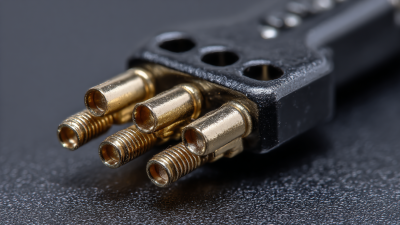
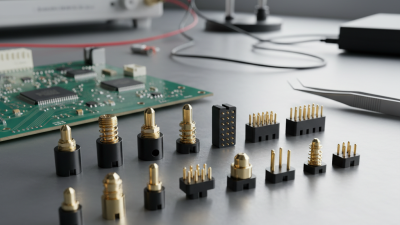
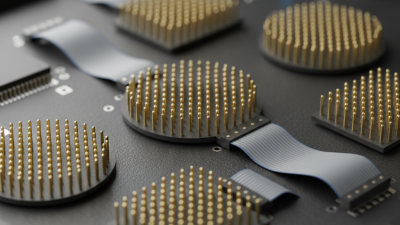
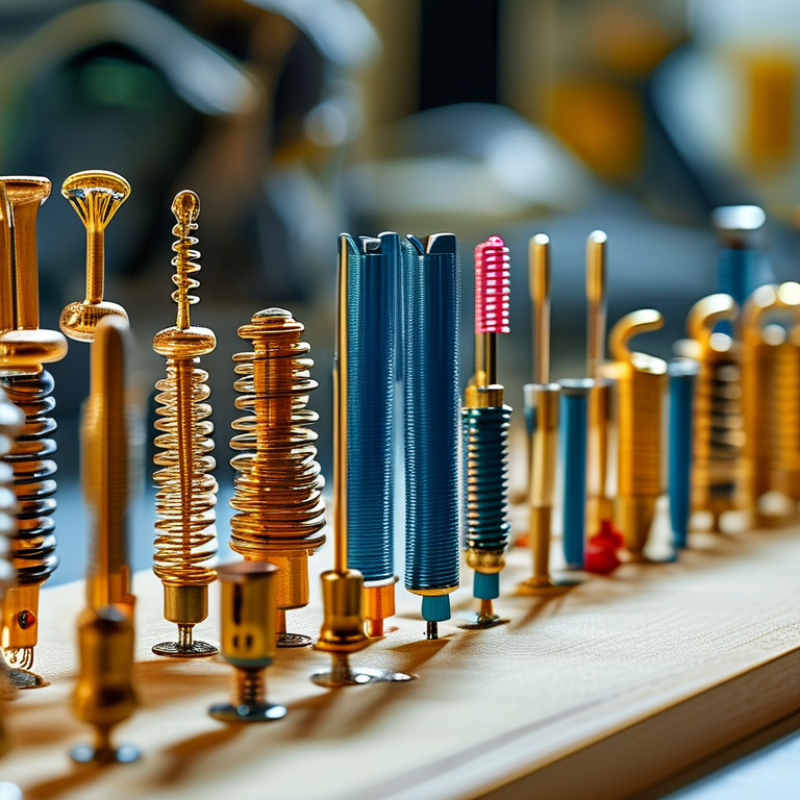
When exploring pogo pin arrays, it's important to grasp their fundamental components. Pogo pins are spring-loaded pins. They provide reliable electrical contact in various applications. These arrays facilitate quick, temporary connections. They are often used in testing circuits and connections within electronic devices. Understanding the specifications, including pin pitch and height, is crucial. Each aspect impacts performance and space efficiency.
Selecting the right pogo pin array requires attention to detail. Analyze the intended application to determine the requirements. Consider the environmental factors such as temperature and humidity. These can affect the longevity and performance of the pins. Some choose options based on cost, while overlooking quality. This can lead to frequent replacements and increased costs in the long run.
It's essential to consult with experts in the field. Gaining insights can clarify complex requirements. Each project may present unique challenges. Ignoring these could result in a poor connection. These nuances make the selection process both critical and complex. Thoughtful consideration can ensure successful integration of pogo pin arrays into your designs.
Performance Comparison of Different Pogo Pin Arrays
Key Factors to Consider in Pogo Pin Selection
When selecting the right pogo pin array, various factors come into play. First, consider the application's electrical requirements. Look for the voltage and current specifications. It's crucial to ensure the pogo pins can handle the necessary electrical loads. If you overlook this, it may lead to performance issues or even failures.
Contact resistance is another essential factor that often gets underestimated. High resistance can result in weak connections, affecting signal integrity. A proper balance between contact force and resistance is vital. You also need to reflect on how environmental conditions impact your choice. Factors like humidity, temperature extremes, and dust can influence performance. Make sure the pogo pins are suitable for the surroundings they will operate in.
Compatibility with PCB design is equally important. Pin spacing, alignment, and layout must match your device. Some designs may leave little room for error. Consider prototypes or testing samples to judge the fit of the pogo pins. These preliminary steps can save you from costly mistakes in the production phase.
Evaluating Electrical Specifications for Pogo Pins
When evaluating electrical specifications for pogo pins, it’s crucial to assess their current rating.
The average current rating for pogo pins ranges from 1 ampere to over 5 amperes.
This range can significantly affect performance in various applications.
Higher current ratings can lead to better functionality in power-sensitive devices.
Another key factor is the contact resistance. A typical value should be less than 50 milliohms.
High contact resistance can lead to energy loss and device failure. Understanding this can help you select the appropriate pogo pin array for your project.
Temperature range is also vital. Many pogo pins operate well in temperatures from -40°C to 85°C.
Certain applications may push these boundaries, affecting long-term reliability.
Regular testing and assessment can help identify potential limitations in design choices.
The right choice of pogo pins hinges on thorough research and understanding of these electrical specifications.
Assessing Mechanical Durability and Performance
When selecting a pogo pin array, mechanical durability is a critical factor. Pogo pins face constant wear during operation. They must withstand repeated cycles of compression and extension. Choosing pins made from resilient materials can enhance their lifespan. Look for designs that minimize friction. A well-designed pogo pin should maintain reliable contact under stress.
Performance is equally vital. Testing the electrical conductivity of pogo pins can reveal their effectiveness. Ensure they can handle the required load current without overheating. Consider temperature variations. Extreme conditions might compromise their functionality. Regularly assessing the pins in actual use can help identify any potential issues. This ongoing evaluation can lead to better decision-making in future selections.
Mechanical durability and performance often go hand in hand. A strong pogo pin does not guarantee optimal conductivity. Balance is essential. A pin that excels in one area might fail in another. Reflecting on past experiences can guide better choices. Always prioritize real-world applications over theoretical assumptions.
Essential Tips for Choosing the Right Pogo Pin Array? - Assessing Mechanical Durability and Performance
| Pogo Pin Type |
Mechanical Durability (Cycles) |
Current Rating (A) |
Contact Resistance (mΩ) |
Operating Temperature (°C) |
| Standard Pogo Pin |
30,000 |
3 |
10 |
-40 to 85 |
| High Power Pogo Pin |
50,000 |
5 |
8 |
-40 to 125 |
| Micro Pogo Pin |
25,000 |
1 |
15 |
-40 to 85 |
| Gold Plated Pogo Pin |
40,000 |
2 |
5 |
-40 to 100 |
Applications and Compatibility of Pogo Pin Arrays
When selecting a pogo pin array, it’s essential to consider its applications and compatibility. These components are widely used in electronic devices for testing and connections. They provide reliable electrical connections between a circuit board and a test system. Understanding the specific requirements of your application can significantly influence your choice.
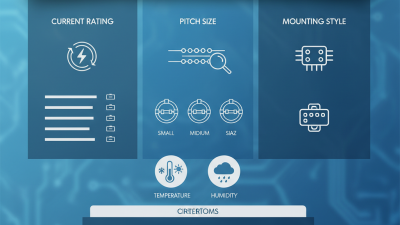
Different industries utilize pogo pin arrays in various ways. In the automotive sector, they serve for diagnostic tests and firmware updates. In consumer electronics, they enable seamless connections for charging and data transfer. Compatibility with existing designs is crucial. Therefore, ensure the pogo pin's dimensions, pitch, and mounting style match your device specifications.
When choosing a pogo pin array, evaluate your project needs carefully. Consider the environmental conditions, such as humidity or temperature ranges. Durability is another aspect; select pins that withstand mechanical wear and corrosion. Analyze the electrical conductivity and ensure the material used meets your standards. Testing multiple options can help identify the best fit, allowing for improvements in performance and reliability.