Top 5 Tips for Choosing the Best Switch Panel for Your Needs?
Choosing the right Switch Panel can significantly impact your project. It’s essential to evaluate your specific needs before making a decision. A switch panel connects various electrical devices, so functionality and aesthetics matter.
Consider your environment. Will it be used in a vehicle or a home? Ensure the switch panel fits the space. Durability is critical, too. Look for materials that withstand wear and tear. These details can shape your final choice.
Remember, not all switch panels are created equal. Some lack intuitive designs. Others may not support all functions required. This can lead to frustration. Research multiple options to find the best fit. A well-chosen switch panel enhances efficiency and comfort. Make an informed decision to avoid future regrets.
Understanding Your Electrical Needs and Specifications
When selecting a switch panel, understanding your electrical needs is crucial. According to industry reports, improper selection can lead to inefficient power management. Power consumption tends to increase by 15-20% when the wrong switch panel is used. This emphasizes the importance of aligning specifications with actual requirements.
Consider the amperage specifications. Ensure the switch panel can handle your usage levels without overheating. Overloaded panels might shorten the lifespan of your equipment. Choosing a panel rated for at least 20% above your maximum usage provides a buffer.
Another important aspect is the type of connection. Many panels feature different connection options. Check if yours require standard, smart, or programmable connections. A mismatched connection type can create safety hazards. Make sure to research the latest wiring standards to remain compliant and safe.
Don’t overlook the significance of user reviews. They provide insights into product reliability. A reported malfunction rate of over 10% should raise red flags. Your choice must balance both quality and usability to ensure a dependable installation.
Top 5 Tips for Choosing the Best Switch Panel for Your Needs
| Tip | Description | Considerations |
| 1. Assess Your Power Needs | Evaluate the appliances and devices you will be using to determine the required power rating. | Look for the total wattage to avoid overloading. |
| 2. Check Voltage Compatibility | Make sure the switch panel matches the voltage requirements of your devices. | Common voltages are 120V and 240V. |
| 3. Evaluate the Number of Circuits | Determine how many circuits you will need based on the number of devices. | Ensure the panel supports the required number of breakers. |
| 4. Consider Future Expansion | Choose a switch panel that allows for additional circuits for future needs. | Planning ahead can save time and money later. |
| 5. Research Quality and Safety Standards | Ensure the switch panel meets safety standards and certifications. | Look for certifications from recognized safety organizations. |
Evaluating Different Types of Switch Panels Available
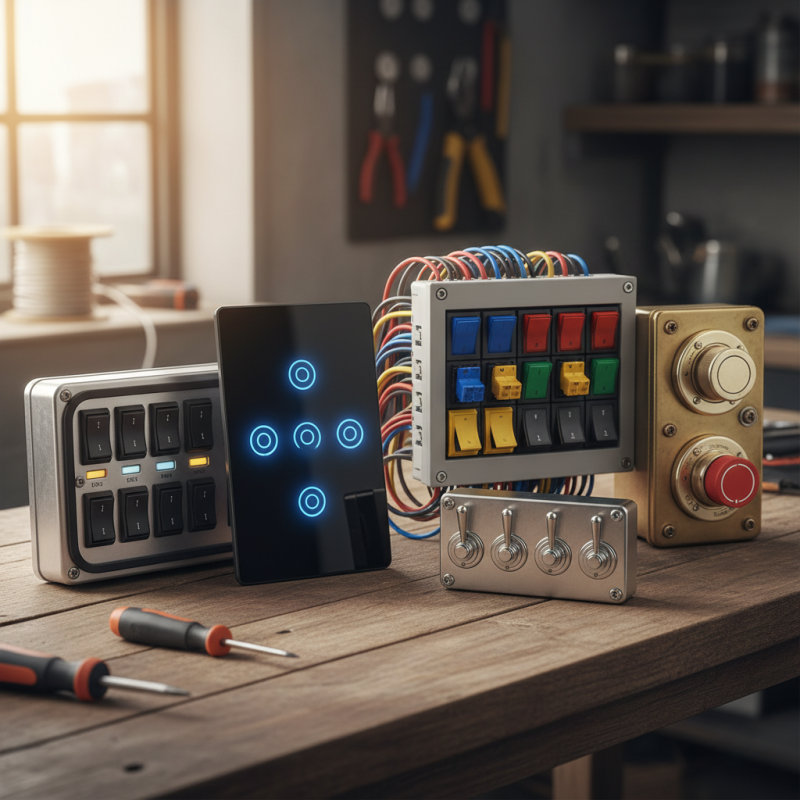
When evaluating different types of switch panels, consider their specific functionality. There are basic toggle switches and more advanced touch panels. Some panels provide visual feedback, while others focus on simplicity and ease of use. Each type serves unique environments, from homes to industrial settings.
Installation complexity can vary greatly. Basic switch panels are usually straightforward to install. Meanwhile, more advanced options might require specialized knowledge or tools. This can raise concerns for DIY enthusiasts. Make sure to assess skill levels before choosing a panel type.
Material and design are also critical factors. Look for durable materials that can withstand wear and tear. Aesthetics matter too; a well-designed panel can enhance the overall look of your space. However, be cautious of trends. What is popular today may not be suitable tomorrow. Always prioritize practicality over fleeting styles.
Assessing Size and Compatibility with Your Existing Setup
When selecting a switch panel, size and compatibility with your existing setup are critical factors. According to a report from TechInsights, over 40% of users encounter compatibility issues with their switch panels. These conflicts often arise from size miscalculations, electrical load mismatches, or different connector types. Ensuring dimensions align perfectly minimizes installation troubles and enhances performance.
The first step is to measure your current setup accurately. The switch panel must fit snugly within the designated space, allowing for ventilation and access. A study from the Electrical Engineering Association highlighted that improper sizing can lead to overheating and equipment failure over 25% of the time.
Consider the electrical specifications too. The switch panel should match the voltage and amperage of your devices. Use tools like multimeters to verify these readings. Custom installations often require adjustments, but this can lead to errors. Clarity and attention to detail are essential in avoiding complications.
Choose wisely and don’t rush. Investing time in your selection process pays off. A little preparation can prevent costly mistakes down the line. Adapting to specific needs can enhance both aesthetics and functionality. Take the time to assess these factors thoroughly.
Considering Features and Functionality for Enhanced Usability
When selecting a switch panel, functionality is key. Look for panels that offer features tailored to your specific needs. Consider how many switches you require. A panel with too few can limit usability. Conversely, too many switches can make navigation confusing. Balance is essential. Some panels even offer customizable layouts to match your requirements.
User experience is another critical factor. Ensure the switches are tactile and responsive. Users often overlook this aspect, but it greatly affects daily operation. Panels should be easy to label, enhancing clarity. If labeling is a hassle, it might lead to mistakes. Keep an eye out for LED indicators, as they can improve visibility in low-light situations, ensuring you know which switch does what.
Be mindful of the design aesthetics, too. A panel should blend with your existing decor. However, focusing solely on looks can be a pitfall. A beautiful design is useless if it doesn’t perform well. Examine reviews and user feedback; these can reveal the panel's long-term reliability. Even the most appealing panels can disappoint if they fail during critical moments. Always weigh design and functionality carefully.
Researching Brands and Customer Reviews for Informed Choices
When selecting a switch panel, researching brands and customer reviews is essential. A recent report highlighted that nearly 70% of consumers consult reviews before making a purchase. This statistic underscores the significance of customer feedback in influencing buyer decisions. By reading various evaluations, potential buyers can identify strengths and weaknesses across different products.
Customer reviews often reveal real-world usage scenarios. For instance, many users mention the durability and ease of installation as key factors. However, some feedback points to inefficiencies or design flaws. Notably, about 15% of users express dissatisfaction, especially concerning customer service experiences. By paying attention to these insights, buyers can make informed choices tailored to their specific needs.
Brand reputation is equally important. Studies indicate that brands with high customer satisfaction rates often lead the market. Monitoring industry trends, such as emerging technologies or innovative designs, can provide deeper insights. Understanding these dynamics is key, as consumers often overlook smaller brands that provide exceptional quality. Balancing brand reliability with customer reviews fosters a comprehensive understanding of available options.
Top 5 Tips for Choosing the Best Switch Panel for Your Needs
This chart illustrates the importance of various factors in selecting the best switch panel according to customer reviews.